
Job Scheduling vs Workload Automation: Which One Do You Need?

Modern enterprises rely on automation to keep systems running smoothly. As businesses scale operations, the debate around Job Scheduling vs Workload Automation becomes increasingly important. Both technologies help automate tasks and processes, but they serve different levels of operational complexity.
While job schedulers focus on running individual tasks at specific times, workload automation platforms manage complex workflows across multiple systems and applications.
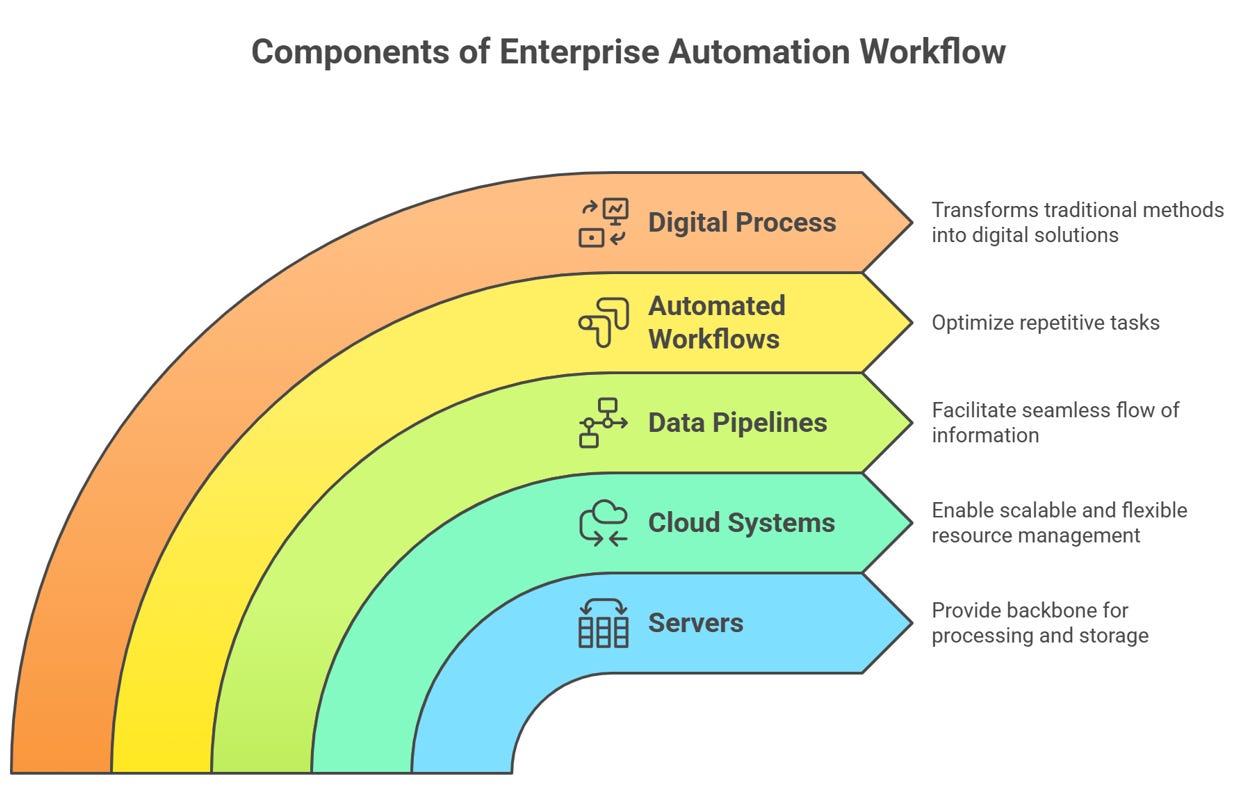
In this blog, we will explore what job scheduling is, what workload automation means, and the key differences between them. We will also discuss batch job scheduling vs workload automation, when organizations should upgrade to enterprise workload automation tools, and whether workload automation is better than traditional job scheduling for modern enterprises.
Why Automation of Jobs and Workloads Matters
Organizations run hundreds or even thousands of processes every day. These include data backups, report generation, system updates, file transfers, and analytics jobs. Managing these tasks manually can be time-consuming and error-prone.
Automation ensures that critical processes run at the right time without human intervention. It also improves operational reliability and reduces delays caused by manual scheduling.
Common benefits of automation include:
Reduced manual effort in repetitive IT tasks
Improved accuracy and reliability of scheduled processes
Faster execution of batch and data workflows
Better visibility into operational processes
However, the type of automation required depends on the complexity of the business environment.
What is Job Scheduling?
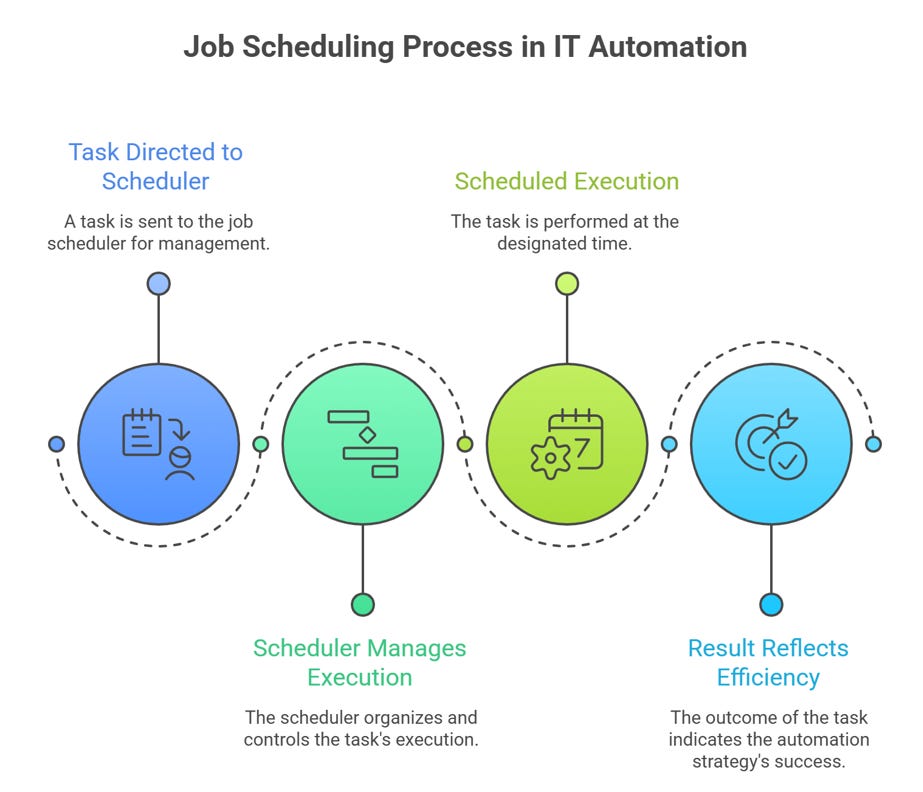
Job scheduling is the process of automatically running tasks at predefined times or intervals. A job scheduler triggers scripts, programs, or system commands based on schedules or simple conditions.
For example, an organization may schedule tasks such as:
Running daily financial reports at midnight
Performing system backups every weekend
Updating databases during non-business hours
Sending automated data exports to other systems
Job schedulers work best when tasks are independent and predictable. They are commonly used for batch processing and routine IT operations.
Key Characteristics of Job Scheduling
Time-based task execution
Simple dependency handling
Ideal for batch processing tasks
Limited visibility across complex workflows
While job scheduling tools are effective for basic automation, they may struggle when workflows involve multiple applications, dependencies, and real-time triggers.
What is Workload Automation?
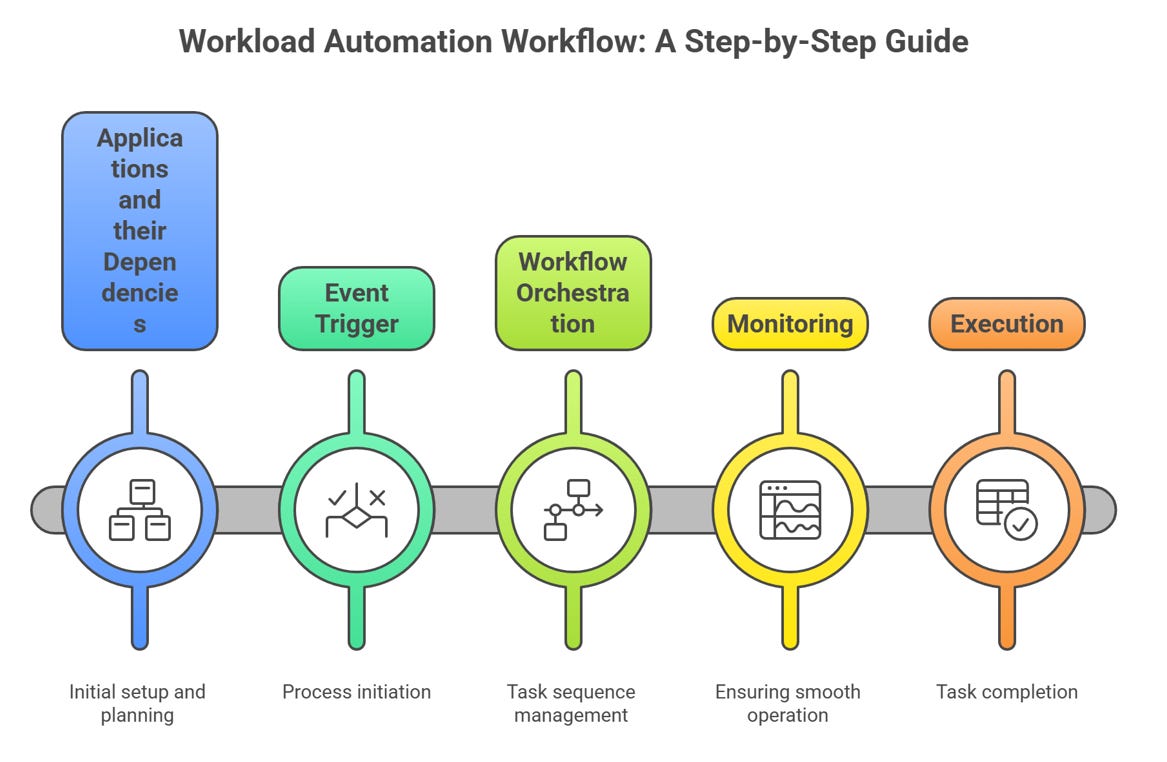
Workload automation is a more advanced approach that manages entire workflows across systems, applications, and environments. Instead of scheduling individual jobs, workload automation platforms coordinate multiple tasks and ensure they run in the correct sequence.
Workload automation tools can handle complex enterprise processes such as:
Data pipelines across cloud and on-premise systems
Multi-step financial processing workflows
Automated ETL and analytics pipelines
Cross-application process orchestration
These platforms monitor dependencies, manage failures, and dynamically adjust workflows based on real-time events. In simple terms, workload automation focuses on orchestrating entire processes, not just executing tasks.
Why Workload Automation Matters for Modern Enterprises
how workload automation improves reliability, speeds up processes, and simplifies enterprise operations.
Batch Job Scheduling vs Workload Automation
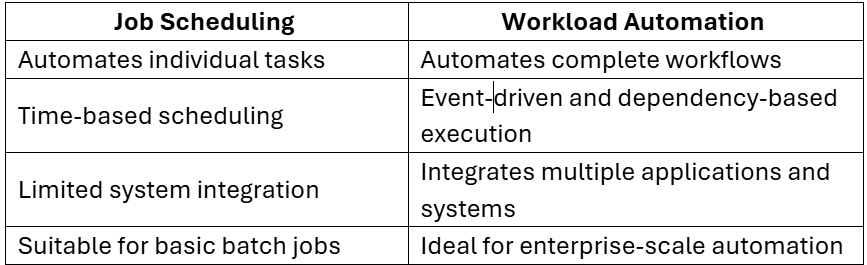
The difference between batch job scheduling vs workload automation mainly lies in scale and intelligence.
Batch job scheduling is designed to execute tasks at fixed times or intervals. It works well when processes are predictable and follow a defined schedule.
Workload automation, on the other hand, manages interconnected tasks across enterprise environments. It can respond to events, monitor dependencies, and ensure processes complete successfully even when conditions change.
Here are some key differences:
As organizations expand their digital operations, simple job scheduling may not be sufficient for managing complex workloads.
When to Upgrade from Job Scheduler to Workload Automation
Many organizations start their automation journey with job schedulers. However, as business operations grow, they often reach a point where job scheduling tools become difficult to manage.
Here are some signs that it may be time to upgrade:
Workflows involve multiple systems or applications
Dependencies between jobs are becoming difficult to manage
Teams lack visibility into process execution
Manual monitoring is required to handle failures
Automation needs to scale across cloud and hybrid environments
When these challenges arise, upgrading enterprise workload automation tools can significantly improve operational efficiency. Workload automation platforms provide centralized control, advanced monitoring, and automated error handling for complex workflows.
Is Workload Automation Better Than Job Scheduling?
A common question enterprises ask is: Is workload automation better than job scheduling?
The answer depends on the organization’s needs.
Job scheduling is still useful for simple, time-based automation tasks. It is lightweight and easy to implement for routine operations.
Workload automation, however, provides broader capabilities such as:
Cross-platform workflow orchestration
Event-driven automation
Real-time monitoring and alerts
Integration with cloud and enterprise applications
End-to-end process visibility
For organizations running complex digital operations, workload automation offers greater scalability and control. Rather than replacing job scheduling entirely, workload automation platforms often extend and enhance scheduling capabilities while adding orchestration and intelligence.
Choosing the Right Automation Approach
When deciding between job scheduling and workload automation, organizations should evaluate their operational requirements and future growth plans.
Some key questions to consider include:
How complex are your workflows?
Do tasks depend on multiple systems or applications?
Is real-time monitoring and error handling required?
Will automation need to scale across cloud environments?
If the automation needs are limited to simple batch jobs, a job scheduler may be sufficient. But if workflows span multiple systems and require coordination, workload automation becomes essential. Enterprises that adopt workload automation early often achieve better scalability and operational efficiency.
Conclusion: Building Smarter Automation Strategies
Understanding the difference between Job Scheduling vs Workload Automation is essential for organizations looking to scale automation effectively. While job schedulers are useful for basic task automation, modern enterprises increasingly require platforms that can orchestrate complex workflows across systems and environments.
AutomationEdge helps enterprises modernize automation with advanced workload automation capabilities. As an intelligent automation platform, AutomationEdge enables organizations to orchestrate jobs, manage complex workflows, and automate enterprise operations, helping businesses build scalable and reliable automation systems for the future.